
The Invasive Hyacinth Weed: A Threat to Hartbeespoort's Ecosystem

Why It Keeps Coming Back
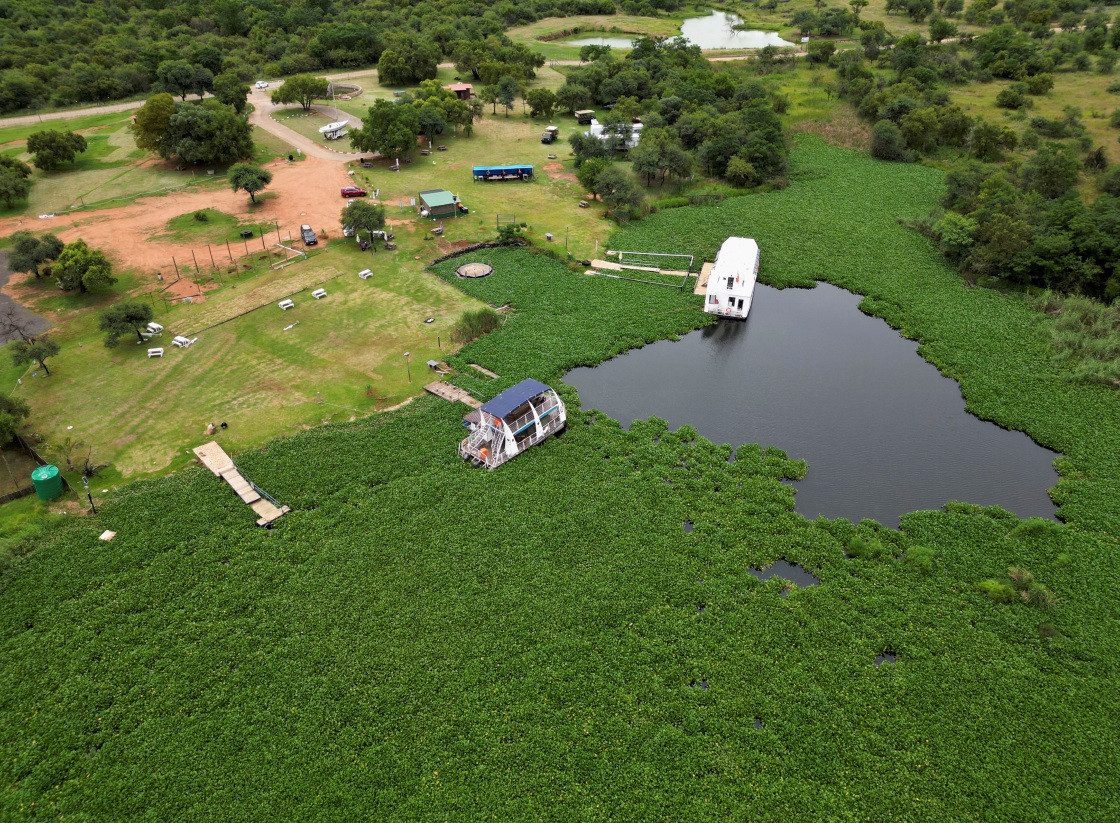
Water hyacinth doesn’t invade healthy water — it exploits sick water. The real driver of the crisis is upstream pollution: failing wastewater treatment works in Johannesburg and Pretoria send under-treated or raw sewage into the Jukskei, Hennops and Swartspruit rivers, all of which feed into the Crocodile River and, ultimately, the dam. University of Pretoria researchers have used nitrogen isotopes in the plants themselves to confirm what many suspected — human waste, not industry or agriculture, is the dominant source of the nitrogen fuelling the growth. The dam sits in a permanent state of hypereutrophication: so overloaded with nutrients that hyacinth and toxic cyanobacteria (blue-green algae) have almost ideal growing conditions year-round.
The consequences compound quickly. Dense hyacinth mats block sunlight and strip oxygen from the water below, creating dead zones. In October 2025, this contributed to a mass fish die-off severe enough that authorities had to bury carcasses in mass graves. The National Sea Rescue Institute has repeatedly warned boaters to stay off the water, citing craft becoming trapped in the mats, engines failing after clogging with vegetation, and submerged hazards hidden beneath the floating carpet.
A Fight With Some Wins
The good news is that this is not a story of unchecked defeat. Government appointed Magalies Water in 2023 to run a coordinated, multi-year remediation programme, combining manual and mechanical removal with biological control — most notably the water hyacinth planthopper (Megamelus scutellaris) and two weevil species, all natural predators of the plant sourced from South America. These insects pierce and stress the plants, causing them to brown, lose buoyancy and eventually sink, while also curbing flowering and seed production.
The results have been genuinely encouraging at points: coverage dropped to roughly 2.5% in the winter of 2020, and by March 2026 authorities reported coverage back down to under 10% of the dam’s surface. But the underlying nutrient pollution hasn’t been fixed, so the fight is cyclical rather than won — cold winters that shrink the plant population also shrink the insect population that depends on it, and every warm, nutrient-rich season gives the hyacinth room to surge again. Researchers and civil society groups are consistent on the deeper point: biological control treats the symptom. Only fixing municipal sewage infrastructure treats the cause.

Beyond the Nuisance: What Water Hyacinth Is Actually Good For
It’s worth remembering that the plant itself isn’t inherently evil — it’s a highly capable organism in the wrong place. In controlled contexts, water hyacinth is put to genuine use around the world, including in parts of Africa:
• Fibre crafts — Dried hyacinth stems are woven into baskets, mats, bags, place mats and even furniture. In parts of East and West Africa this has become a small but real livelihood for coastal and riverine communities: turning a nuisance weed into a marketable natural-fibre product.
• Compost and organic fertiliser — Its rapid growth and high nutrient uptake make harvested hyacinth a good candidate for composting, returning the nitrogen and phosphorus it absorbed back into agricultural soil rather than the water.
• Biogas and bioenergy — The plant’s high water and biomass content make it a viable feedstock for anaerobic digestion, producing biogas as a renewable energy source.
• Water purification (in controlled settings) — In constructed wetlands or contained systems, hyacinth’s ability to absorb heavy metals and excess nutrients has been used deliberately to help polish wastewater — the same trait that makes it dangerous in an open, polluted dam.
• Paper and pulp — Fibrous hyacinth stems have been trialled as an alternative raw material for handmade paper production.
• Animal fodder — With careful processing, it has been used in some regions as a supplementary feed component, though this requires caution given its capacity to concentrate heavy metals from polluted water.
The lesson isn’t that hyacinth should be welcomed — in an open water body like Hartbeespoort it remains genuinely destructive — but that harvested biomass doesn’t have to be pure waste. Some remediation programmes elsewhere have paired mechanical removal with local enterprise, turning cleanup material into craft or compost rather than simply dumping it.
Recent Posts


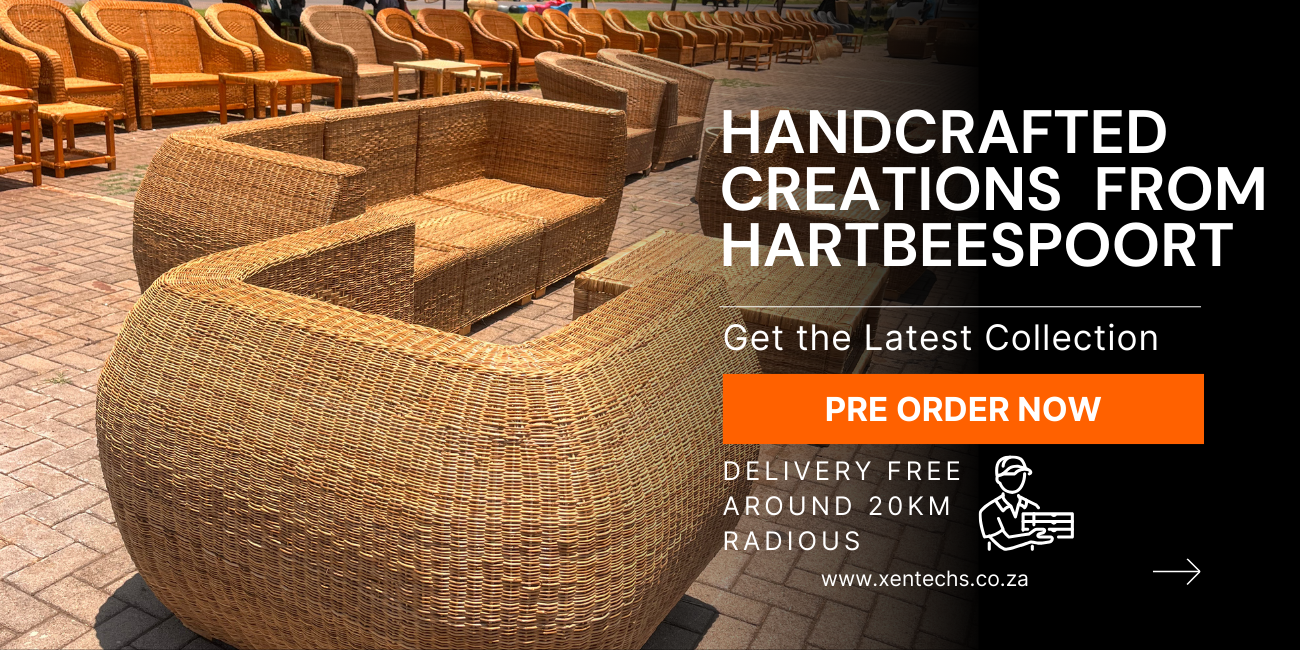
Welcoming Our First Artisan Seller to Xentechs: Handcrafted Creations from Hartbeespoort


From Expensive Ads to Smart Influencers: Discover Cost-Effective Marketing Strategies Today!


At Xentechs, we believe that every individual in Africa should have the opportunity to shop with ease, diversity, and reliability. Our platform is more than just an online shopping destination; it is a vibrant community that celebrates the rich, cultural tapestry of Africa, one shop at a time. We aim to connect Africa by bridging the gap between local sellers and global consumers, making shopping in Africa an accessible and exciting experience.


